See it before building
Working HTML and realistic data replace abstract conversations with a product stakeholders can use.
The SparkAI delivery ecosystem
NeoSpark’s software experts direct specialised AI agents, models, skills, checklists and delivery pipelines from roadmap and interactive UX through engineering, assurance, production and continuous improvement.
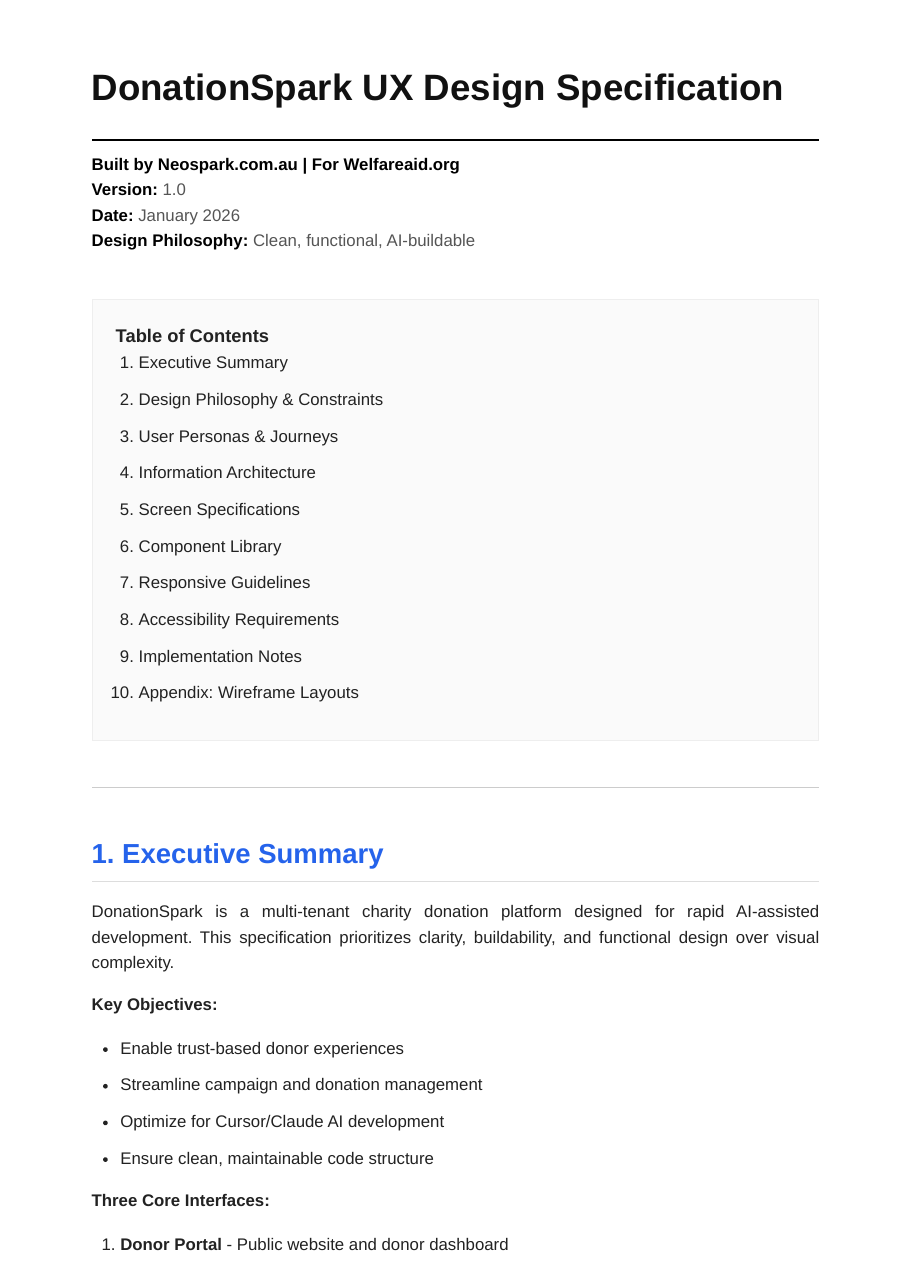
Working HTML and realistic data replace abstract conversations with a product stakeholders can use.
Requirements, UX, architecture and tests form a connected contract rather than disconnected documents.
Specialised agents perform high-volume work while experts retain judgement and accountability.
Monitoring, reports, maintenance and upgrades are part of delivery—not an afterthought.
One connected product lifecycle
The flow is iterative, not a rigid waterfall. A prototype can reveal a missing requirement; a test can change the architecture; production evidence can reshape the roadmap. The important difference is that every loop is visible, bounded and reviewable.
AI contribution: Research the domain, compare options, surface risks and draft a phased route to value.
Human gate: Choose the problem, commercial outcome, boundaries and evidence of success.
Output · Value hypothesis + roadmap
AI contribution: Inspect source material, workflows and systems; draft epics, stories, acceptance criteria and edge cases.
Human gate: Resolve ambiguity, priorities, policy and consequential business rules.
Output · Traceable requirements pack
AI contribution: Generate multiple responsive directions and working HTML journeys populated with realistic synthetic data.
Human gate: Use the product WYSIWYG, correct the flow and approve what good looks like.
Output · Approved clickable prototype
AI contribution: Translate journeys into APIs, services, data, permissions, integrations, failure modes and deployment topology.
Human gate: Own architecture, security, economics and fit with the customer environment.
Output · Reviewable architecture contract
AI contribution: Create unit, integration, end-to-end, accessibility, performance and persona-based scenarios.
Human gate: Approve realistic outcomes, risk coverage, test data and release criteria.
Output · Test strategy + synthetic data
AI contribution: Research, plan, implement and self-check small increments using specialised models, skills and checklists.
Human gate: Review plans, exceptions, critical diffs and material engineering decisions.
Output · Working increment + evidence
AI contribution: Build, test, scan, diagnose, repair within scope and deploy through controlled environments.
Human gate: Approve security exceptions, environment changes and production release.
Output · Green gates + release record
AI contribution: Monitor health, performance, cost and security; draft incident analysis, user reports and status updates.
Human gate: Own service decisions, communications, escalation and operational accountability.
Output · Live service evidence
AI contribution: Propose dependency updates, fixes and product improvements from telemetry and feedback.
Human gate: Prioritise value, approve upgrades and return changes through the same evidence path.
Output · Safe continuous improvement
The artefacts are the method
These are representative artefacts from NeoSpark product work: formal specifications, interactive HTML concepts with synthetic data, mobile WYSIWYG experiences and production as-built records.
Requirements + UX PDF
Personas, journeys, information architecture, screen behaviour, responsive rules, accessibility and implementation guidance.
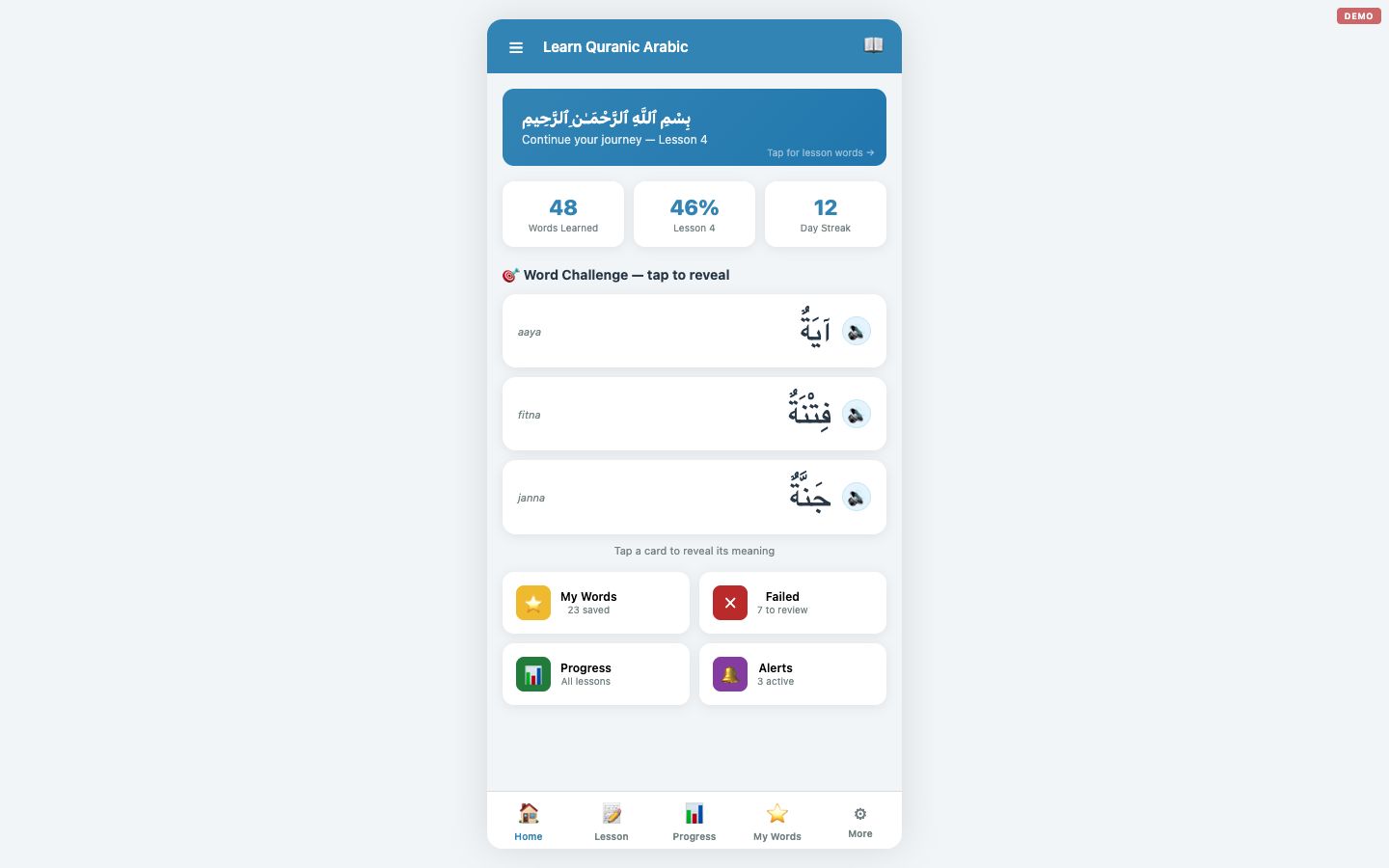
Mobile WYSIWYG prototype
Working interactions expose missing requirements and let the design become a shared contract for build and test.
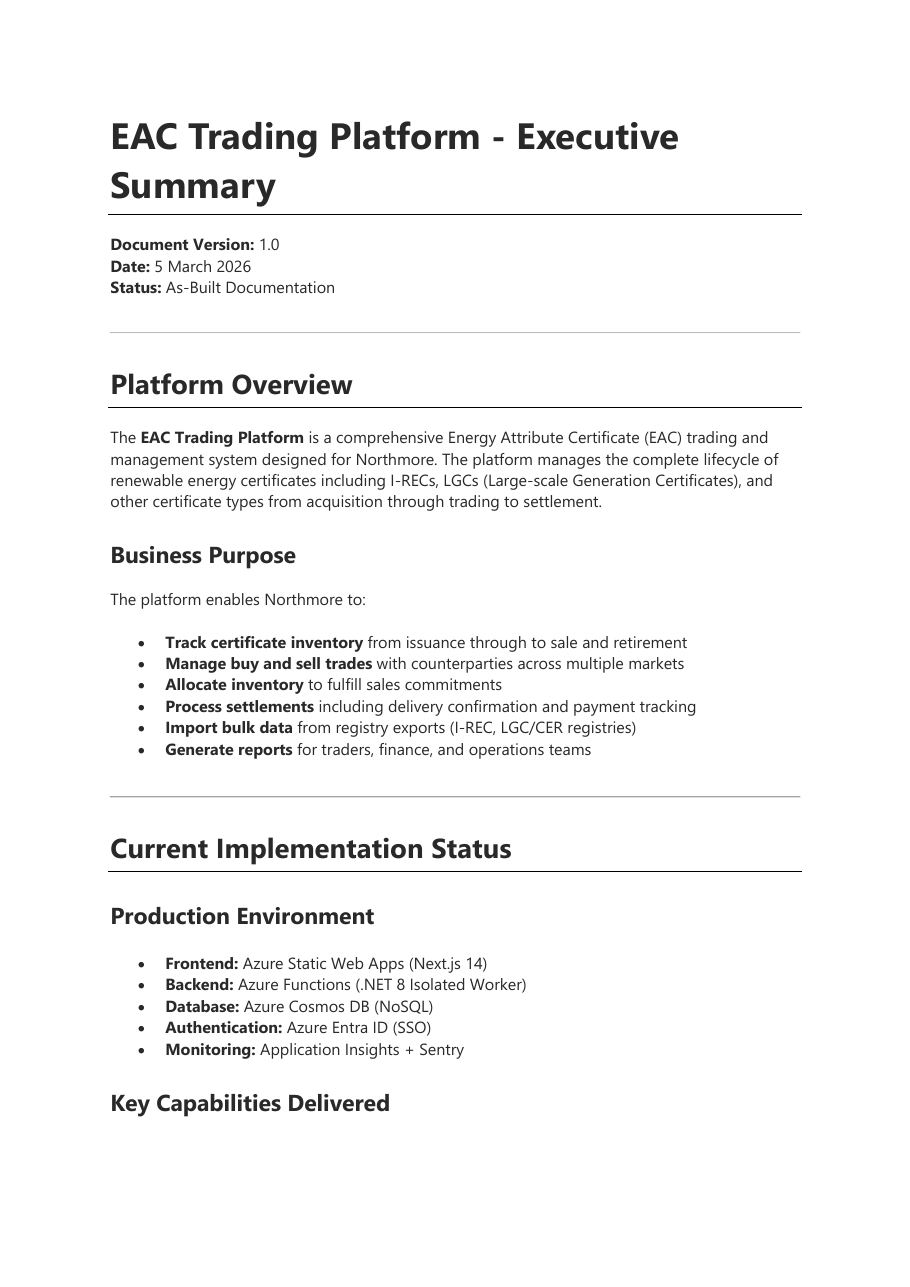
As-built documentation
Architecture, capabilities, deployment, monitoring and maintenance evidence stay with the product after release.
The SparkAI control plane
Speed comes from coordination, not from asking one model to do everything. The control plane selects context, model, skill, tools, permissions, gates and reviewers for each task.
Product, software, infrastructure, security and operating judgement direct the system and own every consequential decision.
The best-fit model is selected for research, reasoning, coding, visual work, testing or independent review.
Approved knowledge, repository state, decisions, roles and tool permissions form the minimum complete working set.
NeoSpark methods for UX, architecture, testing, security, deployment and documentation are packaged for repeatable execution.
Required artefacts and acceptance evidence stop ambiguous or unsafe work from silently moving forward.
Plans, changes, tests, scans, releases, monitoring and user feedback remain traceable and reportable.
Continuous assurance
Assurance runs throughout delivery and operation. Independent AI reviewers complement deterministic scanners and human experts; no single model judges its own work in isolation where accuracy or risk matters.
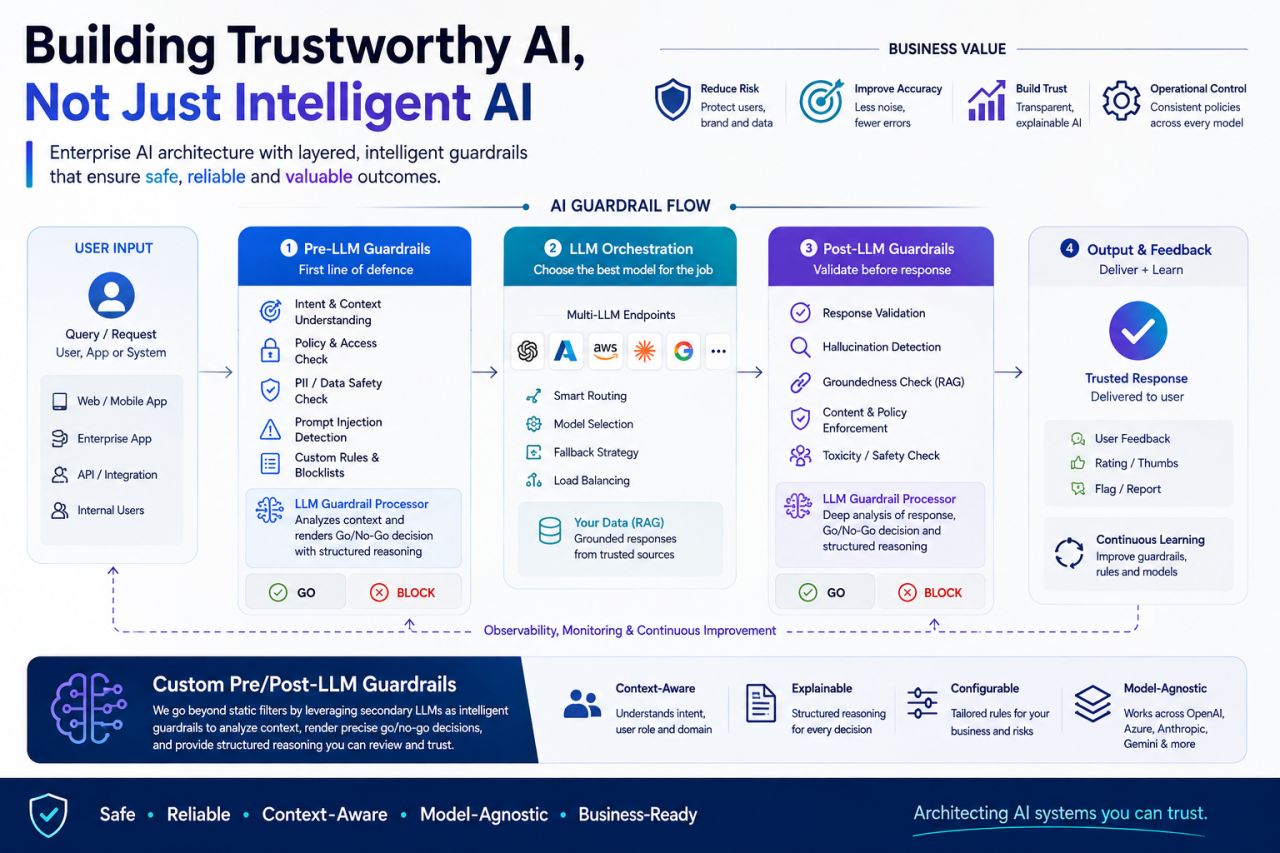
Static analysis, linting, maintainability, interfaces and architecture conformance
Unit, integration and end-to-end tests against approved acceptance criteria
Customers, operators, administrators, finance, support and accessibility perspectives
Secrets, dependencies, vulnerabilities, permissions, prompt attacks and business-rule validation
Build, migration, configuration, staged deployment, health checks and rollback evidence
Telemetry, incidents, cost, feedback, user reports, status communication and upgrade proposals
The commercial advantage
For suitable scopes, the advantage comes from early visual validation, parallel specialist work, reusable skills, automated checks and less late-stage rework. We validate the target against the real scope and customer baseline during discovery.
≤ 50%
For suitable product scopes, validated against the agreed baseline.
≤ 50%
Less interpretation loss, parallel specialist work and lower rework.
100%
Experts retain product, architecture, security and release ownership.
Always
Every gate leaves artefacts a person can inspect and operate.
NeoSpark Solutions treats AI as an engineering workforce directed by experienced software professionals. Specialised agents can research, analyse, design, build, test, review, deploy and monitor. Humans still own the problem, product judgement, architecture, risk, exceptions and release decisions.
The result is not prompt-to-code development. It is a connected evidence system in which each stage produces artefacts, checks and decisions that constrain the next stage.
We clarify the customer, problem, desired outcome, constraints, risks and evidence of value. AI helps investigate the domain, compare options, identify unknowns and shape a phased roadmap. A human product or engineering lead decides what matters, what is feasible and what should not be built.
Evidence produced: opportunity brief, value hypothesis, personas, scope boundaries, assumptions, risks and phased roadmap.
Agents inspect source material, current systems, workflows, repositories, integrations and operating constraints. They help turn discovery into epics, feature stories, acceptance criteria, edge cases and traceability. Ambiguity is surfaced for a person to resolve rather than silently converted into code.
Evidence produced: requirements pack, feature map, user stories, acceptance criteria, decision log and open questions.
We create responsive, interactive HTML prototypes that behave like the proposed product. Synthetic but realistic data lets users explore dashboards, forms, navigation, empty states, permissions and operational flows. Stakeholders validate the experience WYSIWYG: they can see, click and correct what will be built.
The prototype is not decoration. It is a requirements-discovery instrument and a shared visual contract for product, design, engineering and testing.
Evidence produced: multiple UX directions, chosen design system, interactive prototype, screen specifications, journeys, responsive rules and accessibility expectations.
AI architecture agents map the approved journeys to services, APIs, data models, permissions, integrations, state machines, failure handling, observability and deployment topology. Experienced architects review the design for maintainability, security, performance, economics and fit with the customer’s environment.
Evidence produced: system context, component and sequence diagrams, API contracts, data models, security boundaries, integration specifications and architecture decisions.
Acceptance evidence is designed with the feature—not added at the end. Agents create unit, integration, end-to-end, accessibility, performance and persona-based scenarios. Seed and synthetic datasets cover real-world relationships, boundary values, user roles, failures and unusual operating conditions.
Evidence produced: test strategy, scenario catalogue, persona journeys, seed data, synthetic data, expected outcomes and release criteria.
Each delivery increment gives the build agents a bounded package: approved requirements, interactive UX, architecture, interfaces, test cases, repository context, checklists and definition of done. Agents use reusable NeoSpark skills and the most suitable model for each task rather than relying on one general model.
The operating rule is research → plan → implement → review. Agents inspect before changing, propose a reviewable plan, make small controlled changes and return tests, diffs and evidence. They ask when the evidence is incomplete; they do not invent consequential requirements.
AI agents generate and refactor code, documentation, infrastructure definitions and migrations. CI/CD then builds, tests, scans and deploys to controlled environments. Failed gates are diagnosed and repaired within the approved scope, while material architecture, security and release decisions return to a human expert.
Evidence produced: working increments, source changes, automated test results, scan reports, deployment records, release notes and as-built documentation.
Quality requires more than a green unit-test suite. Independent agents and deterministic tools review code quality, dependencies, secrets, vulnerabilities, accessibility, responsive behaviour and operational failure modes. Persona agents exercise the product as customers, administrators, finance staff, support staff and other relevant roles.
Humans validate business correctness, user experience, consequential edge cases and release readiness. High-impact uncertainty is escalated rather than hidden behind a confidence score.
The methodology continues after launch. Telemetry, logs, performance, cost, quality signals, security events and user feedback feed a production intelligence loop. AI assists with monitoring, incident analysis, status updates, user reports, maintenance, dependency upgrades and improvement proposals.
Changes return through the same evidence path: analyse, plan, prototype where needed, implement, test, review and release. The product stays understandable and maintainable as models, dependencies and customer needs change.
SparkAI delivery coordinates several capabilities:
We combine deterministic controls, cloud-native safeguards and contextual AI review:
For suitable product scopes, NeoSpark targets delivery in less than half the time and cost of a traditional sequential approach. That target is validated against the actual scope and baseline during discovery; it is not achieved by removing design, testing or security.
The advantage comes from making work visible earlier, reducing interpretation loss, running specialised tasks in parallel, reusing skills and checklists, automating repetitive assurance, and preventing expensive late-stage rework.
We track evidence such as time to interactive prototype, lead time to a tested increment, first-pass acceptance, rework, escaped defects, security findings, review effort, deployment frequency, operating cost and user value delivered.
A product is ready when it is valuable, usable, testable, secure, observable, maintainable and economical. The customer receives the roadmap, requirements, interactive experience, architecture, tests, source, deployment pipeline, scan evidence, operating documentation and handover—not merely a demonstration.